

Privacy
Spyware Warning
Vía Libre, CELS, Democracia en Red and O.D.I.A. have drawn up this analysis, through which we aim to highlight the weaknesses in Argentina that put us at real risk of joining the list of countries where spyware is used for political persecution and the violation of fundamental rights.
Companies and governments claim that the use of spyware is limited to serious crimes, such as terrorism or organised crime. However, the number of cases of illegal use of this tool in countries as diverse as Saudi Arabia, Italy and the United States, and in our region in Mexico, El Salvador, Peru and Colombia, shows that once these tools are acquired by states, it is very difficult to prevent their deployment in illegal intelligence operations, even in countries with strong institutional frameworks.
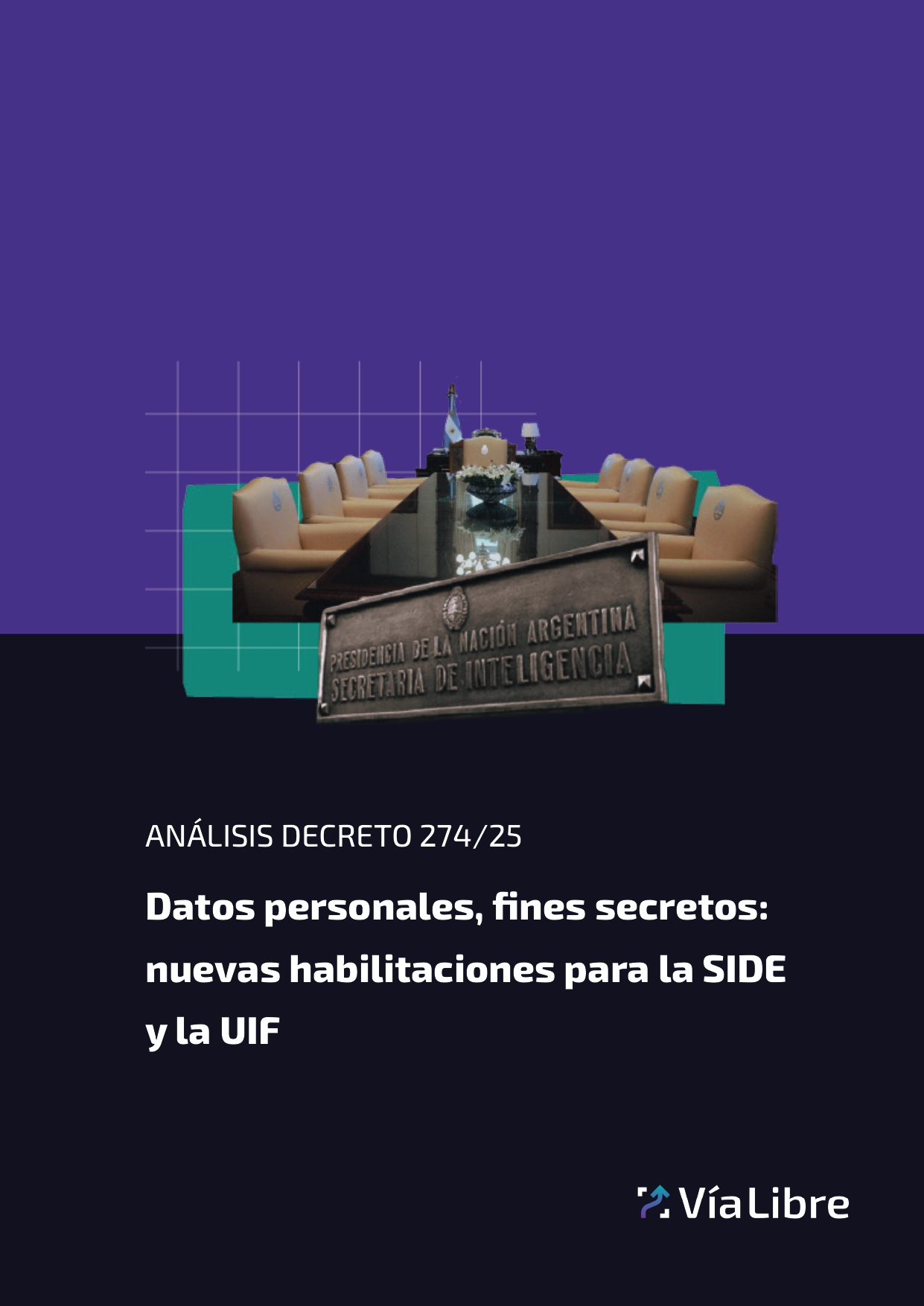
Personal data, secret purposes: new powers for the SIDE and the UIF
This document analyses Decree 274/2025, which expands the State’s powers to collect and share personal data within the framework of anti-money laundering and cybersecurity policies. It examines in particular the changes to the Financial Information Unit (UIF) and the relocation of cybersecurity policy within the SIDE, highlighting the risks this poses to privacy and fundamental rights. The analysis contrasts these modifications with Law 25,326 and international data protection standards, in a context already marked by regulatory gaps and a lack of controls. It is complemented by previous findings by the Fundación Vía Libre on the state’s processing of personal data.
Personal data administration in the hands of the State
The State continuously collects and processes citizens’ data in order to carry out its functions. However, the information collected is increasingly sensitive and used for different purposes, which are constantly expanding and are, in many cases, intrusive.
The report addresses, from a historical and human rights perspective, the collection and management of personal data by the State in Argentina with the aim of identifying its uses over time, the regulatory framework and the reforms necessary to protect citizens’ privacy.
Legal protection of inferred personal data
In this report we address the legal protection of inferred data from its production to its use and impact, aiming to recognise its existence and account for its impact on everyday life. Through some examples, we see how they are the basis for decisions that can affect everything from privacy to autonomy and potentially the physical integrity of individuals. In view of this, we briefly review the regulatory situation in other countries in order to finally consider a possible regulation in Argentina that would guarantee rights.
We seek through this document to reflect on the importance of understanding that inferred data are personal data, and as such should be regulated from a human rights perspective.
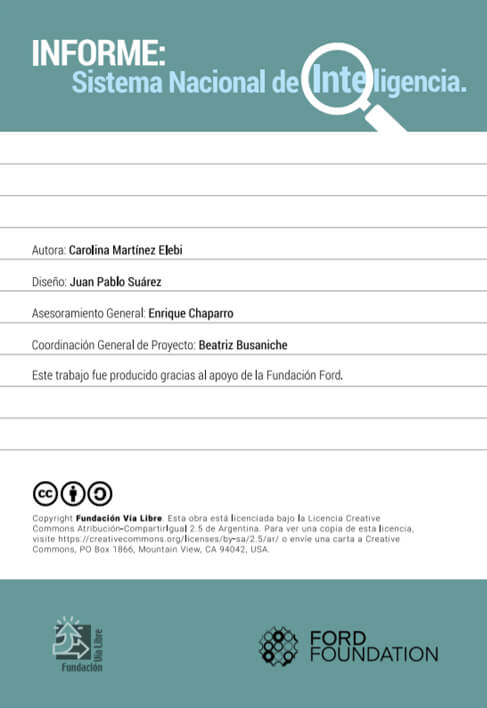
Dossier: “Servicios de Inteligencia y Democracia”.
Publicación realizada en el marco de nuestro proyecto sobre Seguridad, Vigilancia y Derechos Humanos gracias al apoyo de la Fundación Ford.
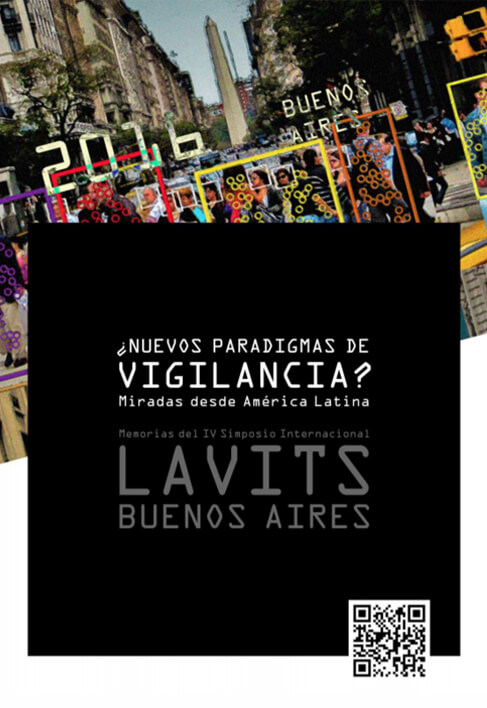
[EN] Libro: “Nuevos paradigmas de vigilancia. Una mirada desde América Latina”.
Esta publicación es fruto del trabajo conjunto realizado con la Red Lavits, el área de Tecnología y Sociedad de la Facultad de Ciencias Sociales de la UBA y la Fundación Via Libre. La publicación recoge las memorias completas del IV Simposio Lavits realizado en Buenos Aires en noviembre de 2016. Se distribuye bajo licencias Creative Commons.