
Throughout April, members of the organization participated in different venues of the Latin American Free Software Installation Festival (FLISOL), sharing reflections on AI, critical thinking, gender, and open technological alternatives.
The events brought together technical communities, activists, students, educators, and people interested in discussing and building open, collaborative technological alternatives. In this context, the activities led by members of Vía Libre focused especially on current challenges related to artificial intelligence, digital literacy, and democratic access to technology.
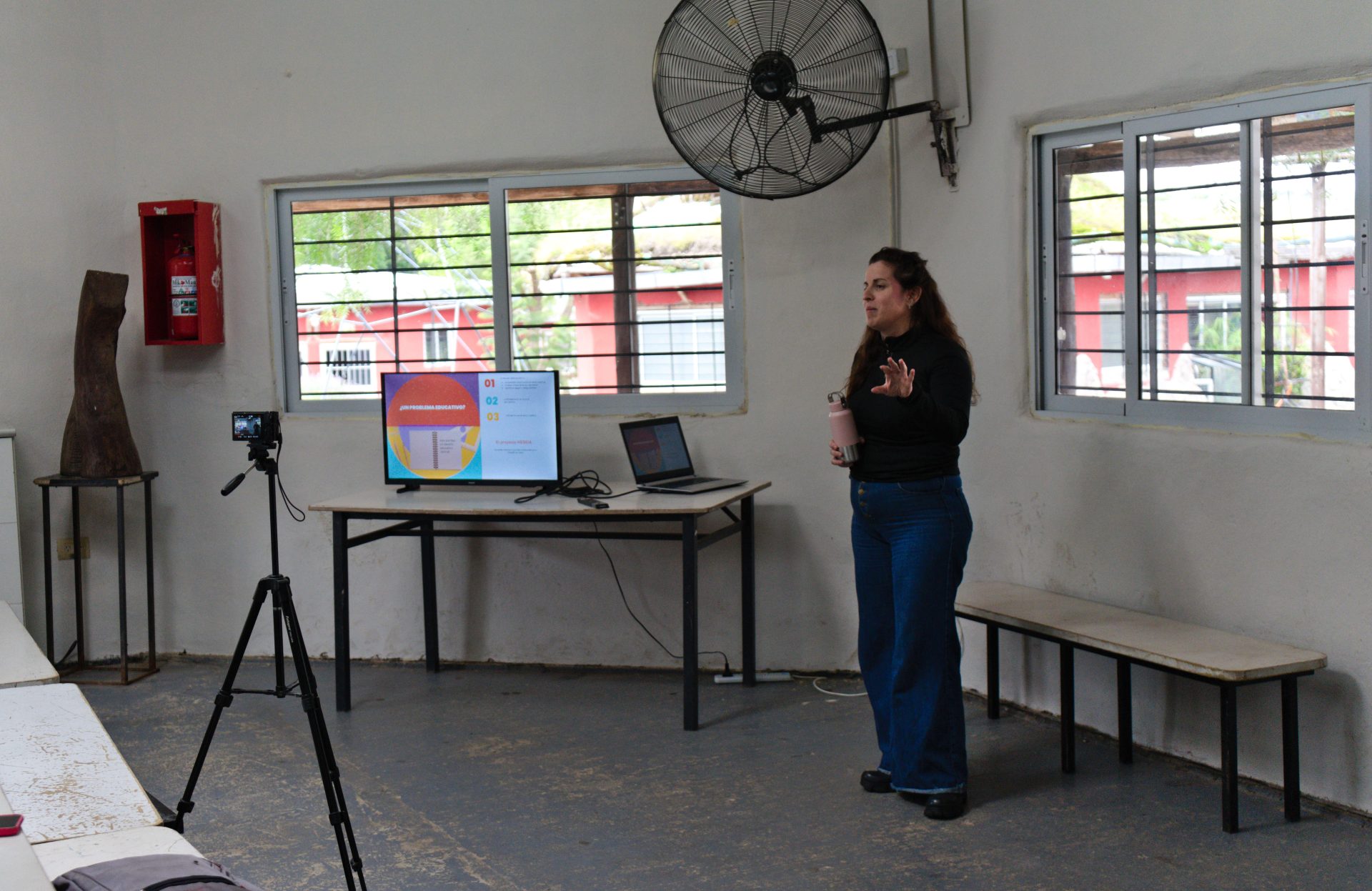
On April 25, Emilia Echeveste participated in the Río Ceballos, Sierras Chicas venue with the talk “Data Literacy and Critical Thinking on AI: Educational and Gender Challenges.” Her presentation reflected on the need to develop critical tools to understand how artificial intelligence systems work and what their impacts are in educational and social contexts, particularly regarding inequalities and gender biases.
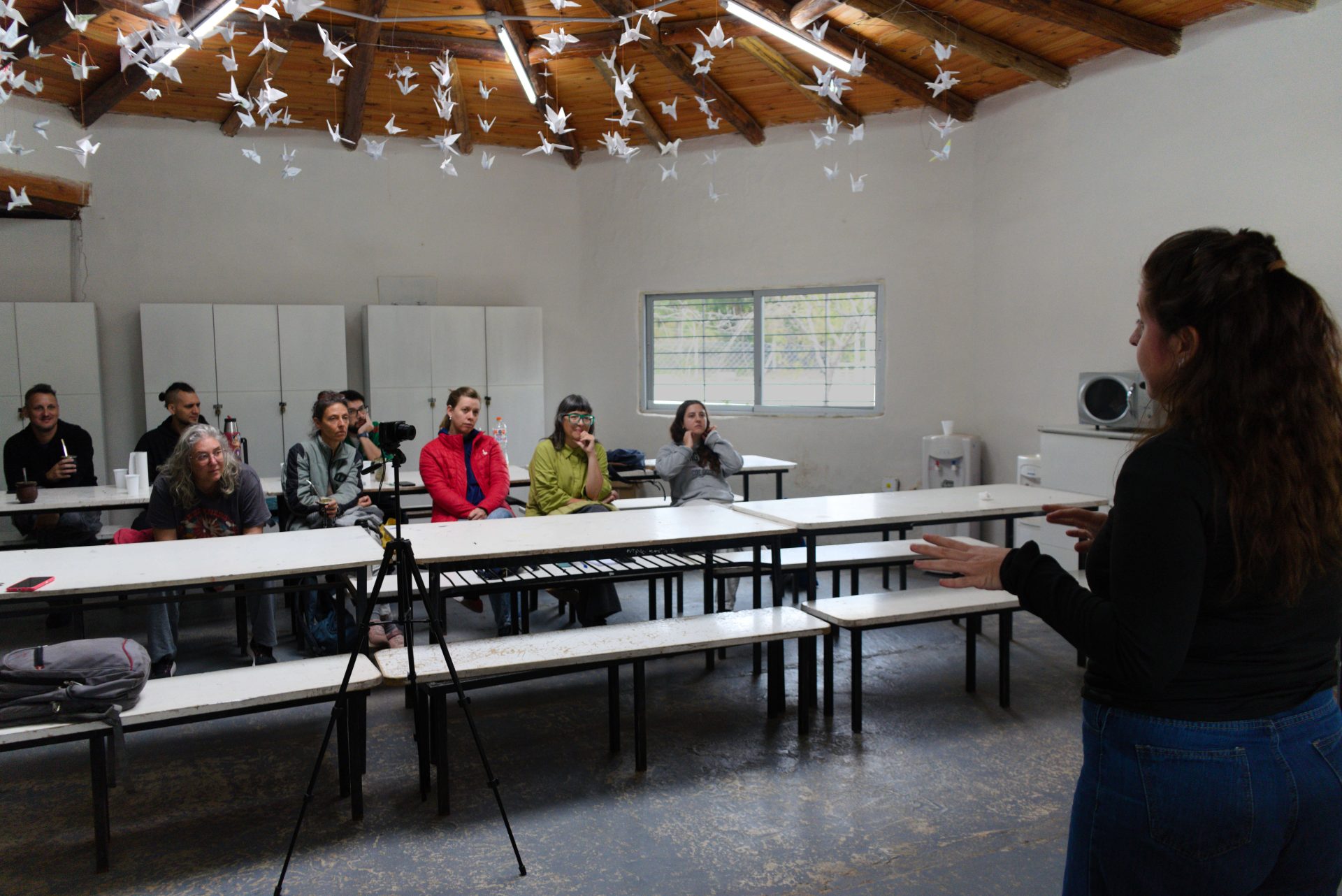
Meanwhile, at FLISoL Córdoba 2026, Matías Eduardo Bordone Carranza presented the activity “Can I Run AI on My Computer? Free AI for Low-End Hardware,” an initiative aimed at exploring free and open artificial intelligence alternatives capable of running on low-resource computers, promoting more accessible and autonomous tools beyond major commercial platforms.
The talk is available at the following link: https://www.youtube.com/watch?v=a0XiYbYbqTA&utm_source=
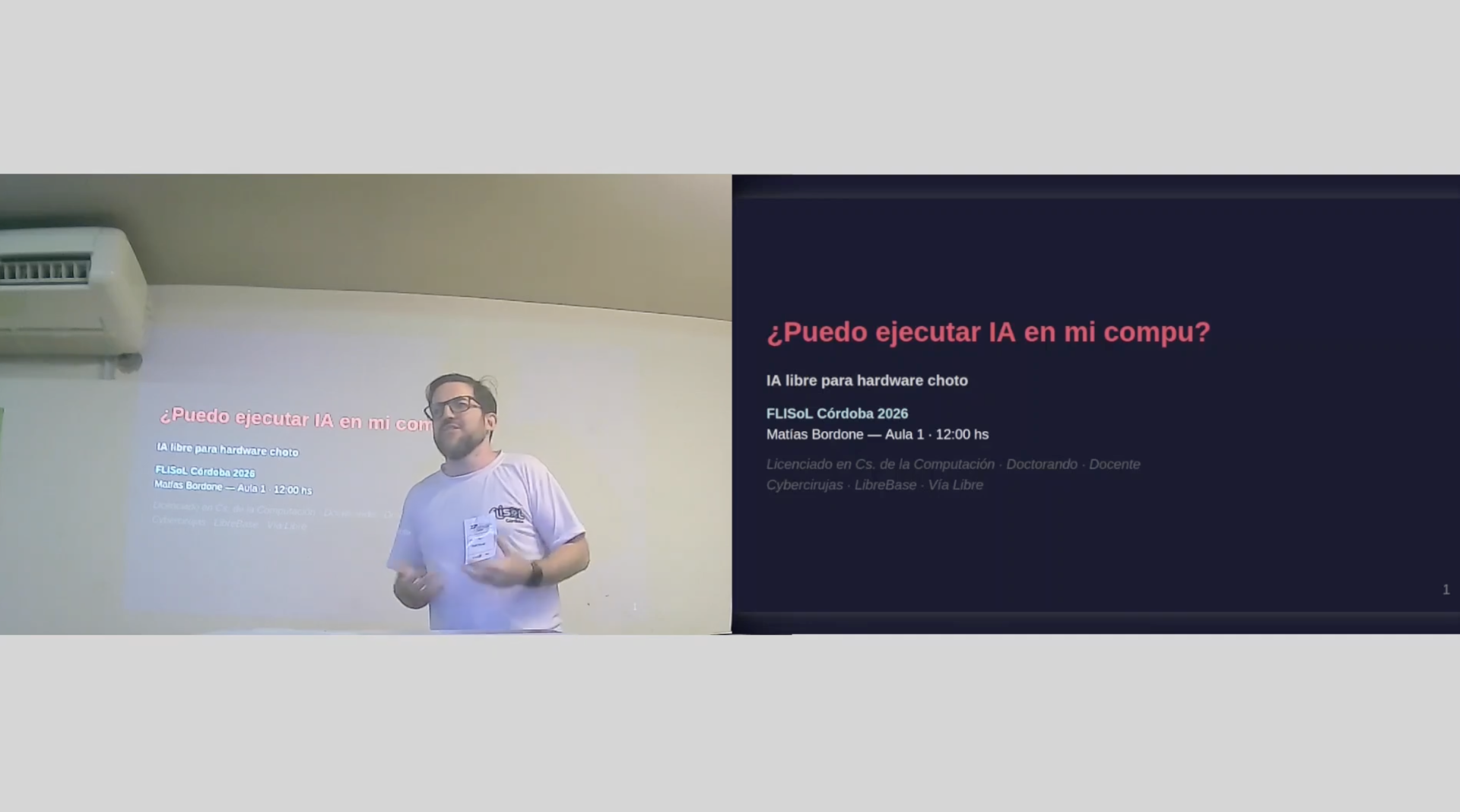
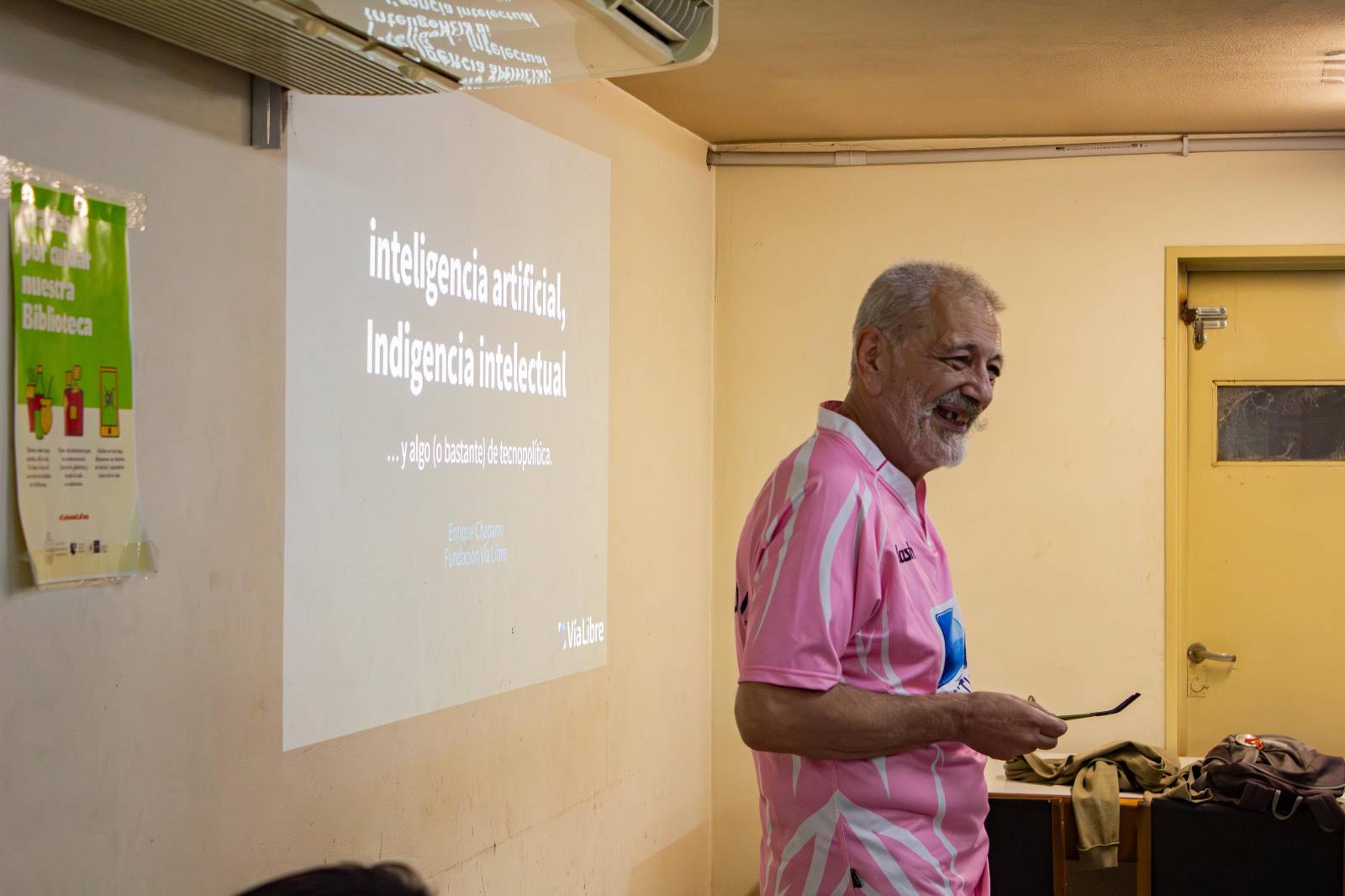
Additionally, during the Córdoba Capital event, Enrique Chaparro delivered two presentations: “Artificial Intelligence, Intellectual Indigence and Technopolitics” and “25 Years: 25 Ideas in 25 Minutes,” where he shared reflections on contemporary technological transformations and the historical trajectory of struggles for free software and digital rights.
Participation in FLISOL once again provided an opportunity to strengthen networks, exchange experiences, and build collective spaces for dialogue around open technologies, free knowledge, and technological sovereignty. In a context shaped by the rapid expansion of artificial intelligence and digital platforms, these gatherings continue to foster critical debates and community-driven tools for imagining technologies that are more just, accessible, and democratic.